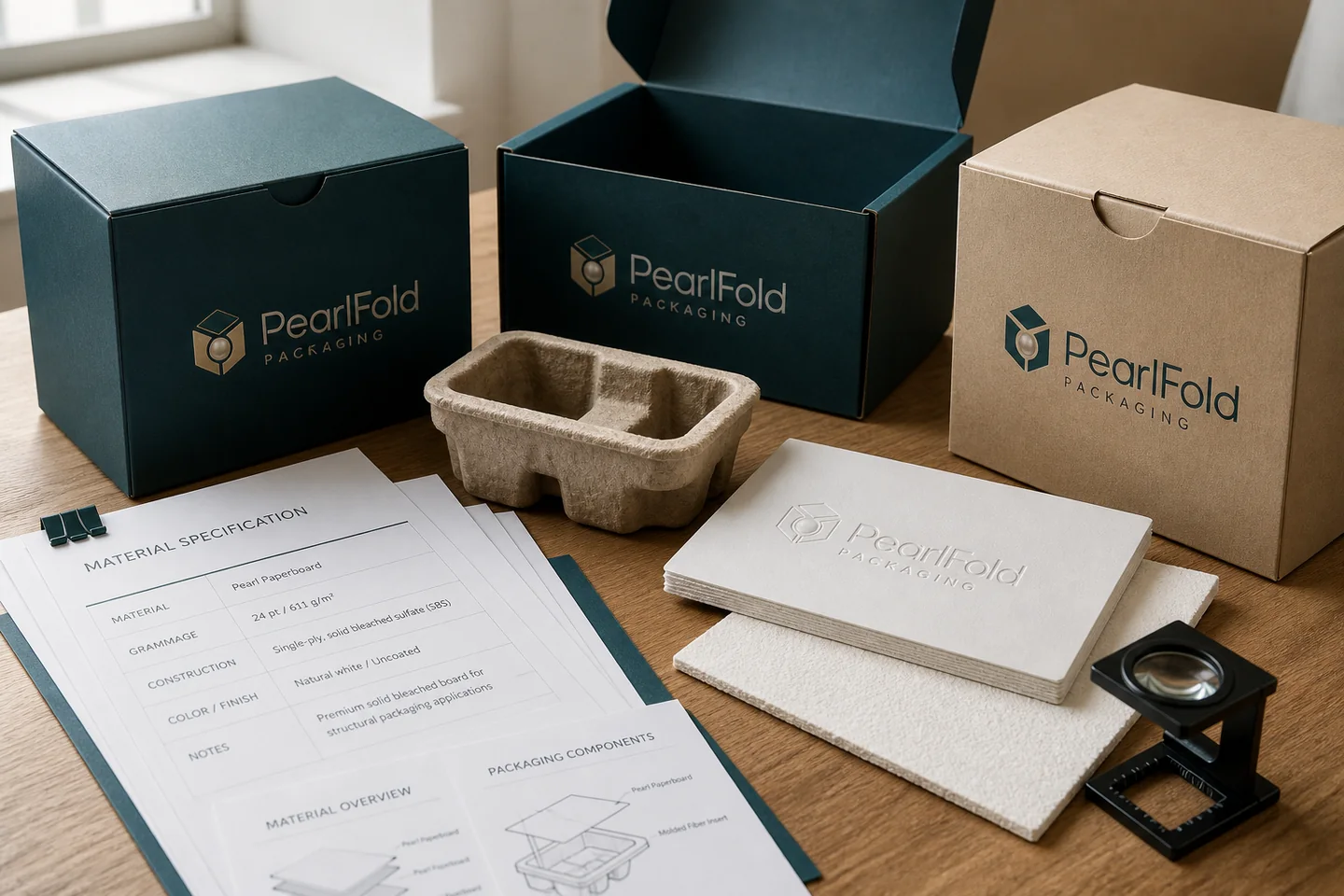
A sustainable packaging claim needs evidence that matches the exact package, market, and wording. A material can have a useful environmental attribute without making every broad claim accurate. Beauty brands should identify the component, supplier record, certification scope, recovery pathway, and customer instruction behind each statement before it appears on packaging or a website.
This guide is a planning framework, not legal or certification advice. Requirements and recycling conditions vary by location. Claims should be reviewed by qualified teams against current law, program rules, and the final production specification.
Why are broad sustainability claims difficult to support?
Words such as sustainable, eco-friendly, green, recyclable, biodegradable, and compostable can imply more than the available evidence proves. A paperboard carton may contain an attributable fiber specification, yet a laminate, foil, adhesive, window, insert, or local collection condition can change how a broader end-of-life statement should be framed.
The useful approach is component-specific. Name what the claim applies to, what evidence supports it, and any condition a customer needs to know. Avoid turning one favorable attribute into a conclusion about the complete product system.
What evidence should a packaging team collect?
| Claim area | Evidence to request | Decision to document |
|---|---|---|
| Material composition | Supplier specification for the quoted board, wrap, insert, coating, and window | Which component and production version the record covers |
| Certified content or sourcing | Valid certificate and chain-of-custody scope where applicable | Whether the brand and job can use the mark or wording |
| Recycled content | Supplier declaration stating the type and percentage | Whether the claim is pre-consumer, post-consumer, or combined |
| Recyclability | Component construction and relevant local acceptance context | Instructions, separation needs, and geographic limits |
| Compostability | Applicable test/certification details and facility context | Industrial or home conditions and required qualification |
Keep the record with the approved specification. If the substrate, supplier, coating, adhesive, or insert changes, review whether the existing evidence still applies.
How should “recyclable” be evaluated?
Recyclability is not established by appearance. Evaluate the complete component, including coatings, laminations, windows, metallic decoration, adhesives, and attached inserts. Then consider whether the relevant collection and processing system accepts that construction in the market where the package is sold.
If customer action is required, make the instruction clear. A statement that depends on separating a tray, removing a window, or checking local acceptance should not be presented as unconditional. Qualified legal and compliance review remains appropriate before publication.
What does certification evidence need to match?
Certification language and marks should match the certified organization, material, chain of custody, product scope, and current program rules. A supplier holding a certificate does not automatically authorize every downstream brand, package, or logo use. Confirm how the exact job will be documented and what wording is permitted.
Do not copy a certification mark from a reference package or ask an image generator to invent one. Keep official artwork, approval records, and license conditions in the project file. If certification is still being confirmed, leave the claim off production artwork until the evidence is complete.
How can a brand reduce material without weakening the package?
Begin with product fit and the smallest practical structure. Remove unused voids, decorative layers, and duplicate components only after confirming protection, packing, presentation, and handling. A lighter package that damages the product or requires a replacement does not represent a sound system decision.
Compare alternatives against the same product and channel. A compact folding carton may suit an individual unit; a reusable rigid presentation box may serve a different role. Avoid declaring one universally superior without a defined boundary and evidence.
How should sustainability information appear in a packaging brief?
Write the requirement as a verifiable condition: the desired material attribute, target market, evidence required, and owner responsible for approval. Attach supplier records already available and identify open questions. Do not use “make it sustainable” as the only instruction.
Include every component in the review: outer carton, wrap, insert, window, coating, foil, label, adhesive, and any protective accessory. The PearlFold sustainable packaging guide provides a broader decision framework without promising an unsupported universal solution.
What are common sustainability-claim mistakes?
- Using a broad claim when evidence covers only one component
- Assuming paper appearance proves recyclability or certified sourcing
- Omitting local collection or facility conditions
- Using a certification mark without confirmed authorization
- Failing to update evidence after a material or supplier change
- Adding decorative environmental symbols that imply an unverified claim
- Comparing packages without defining the functional boundary
- Publishing a percentage or performance statement without a source record
How can a brand keep claims accurate over time?
Maintain a claim register linked to each SKU and packaging component. Record the approved wording, evidence source, date reviewed, owner, market, and specification version. Recheck the register when materials, suppliers, decoration, regulations, or recovery guidance change.
Use plain language that customers can understand. Precise qualified statements build more trust than sweeping environmental slogans. If the evidence is incomplete, communicate the verified material facts and continue the review rather than filling the gap with aspirational wording.
What is the next step for a packaging project?
Prepare the product dimensions, quantity, structural direction, target markets, preferred materials, and the exact claim evidence available. Ask the packaging team to identify which parts of the proposed construction may affect the claim and what records will accompany the written specification.
For a complete project discussion, review the packaging planning guide and then request a custom quote. PearlFold can frame material and structural options around the brief, while final claims remain subject to evidence and qualified approval.
How should a brand compare two packaging options?
Define the functional unit before comparing materials. For example, compare the complete package needed to protect and present one finished product through the same sales channel. Include the outer carton, insert, labels, coatings, and any additional protective component. A comparison between one bare component and another complete system can produce a misleading conclusion.
Then identify the decision criteria: material quantity, recycled content evidence, certified sourcing, pack efficiency, product protection, shipping volume, local recovery context, or another relevant measure. Do not combine unlike criteria into one unsupported score. Where the evidence is incomplete, say so and treat the conclusion as provisional.
What role do inks, coatings, foil, and adhesives play?
Decoration and assembly components belong in the claim review because they become part of the finished package. Their effect depends on chemistry, coverage, substrate, separation, and recovery system. A small decorative area may have a different implication from a full-surface laminate, but appearance alone cannot establish that implication.
Request the applicable technical information and ask how the complete construction should be described. Avoid claims such as “non-toxic,” “plastic-free,” or “fully recyclable” unless the exact wording has qualified support for every relevant component and market.
How can customer disposal instructions stay clear?
Instructions should name the component and action in plain language. If the customer must separate an insert, remove a window, or check local acceptance, make that condition visible. Do not use a small symbol to carry a qualification that materially changes the claim.
Review the instruction at finished size and confirm that it does not conflict with other required copy. Digital channels can provide more detail, but the physical package should not make a broader claim than the linked evidence supports.
What should procurement confirm with a supplier?
- The exact material trade reference and construction quoted
- The supplier and production site covered by available records
- Any certified or recycled-content documentation
- The scope and expiry date of relevant evidence
- How substitutions will be controlled and communicated
- Which decoration and adhesive components are included
- What production records will accompany the order
- Who approves consumer-facing wording and marks
Procurement should connect these records to the artwork and final specification. A claim approved for one version should not automatically migrate to another size, material, supplier, or market.
How should updates be communicated?
When evidence or guidance changes, update the claim register, artwork source, product page, and internal brief together. Record the reason and date rather than changing only the public wording. This preserves traceability and helps future reviewers understand which specification the claim describes.
Do not change an article date only to imply freshness. Update the content when a material rule, certification scope, law, or accepted recovery route materially changes, and state what was reviewed. Accurate revision history is a trust signal for buyers and search systems.
How should sustainability goals affect the first structural concept?
Put the goals into the first brief rather than asking for them after a visual direction is complete. Product fit, outer dimensions, insert strategy, material layers, and decoration can all affect the final construction. Early constraints make it easier to compare credible options without discarding finished artwork later.
Prioritize goals that can be checked. A compact footprint, a named material specification, removable components, documented recycled content, or verified sourcing creates a clearer design target than a broad request for an eco-luxury appearance. Keep the claim language separate from the aesthetic direction until evidence supports both.
This distinction protects the credibility of the package and gives future reviewers a clear evidence trail.